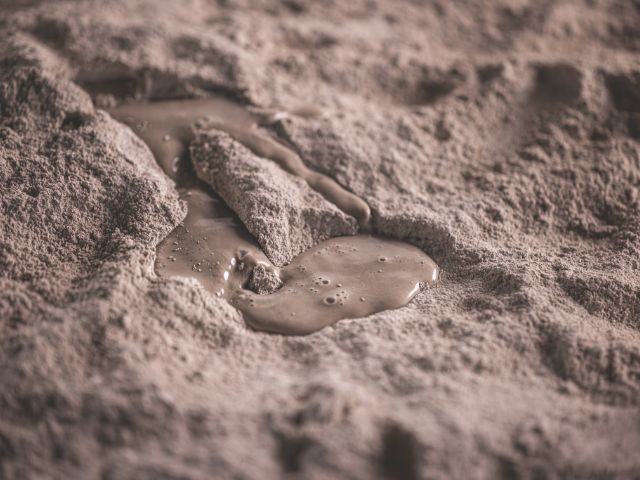
Polyurethane-foam or PU-foam is a versatile material. Whether you are using it for sealing, insulating or mounting, it is important to know how to use it correctly and what to expect from the material. This article explains what PU-foam is, how to apply it and what to look out for.
Key properties of PU-foam
- Expansion: PU-foam expands after application. Keep this in mind when filling gaps.
- Bonding: It bonds well to wood, concrete, metal and plastic, provided surfaces are clean.
- Insulation performance: PU-foam boosts excellent thermal and acoustic insulation properties.
- Fast-drying and curing: Depending on the type of foam, it can fully cure within minutes to hours.
What is PU foam used for?
PU-foam, or polyurethane foam, is a synthetic resin foam that expands and hardens after it leaves the canister. It is mainly used for:
Sealing gaps and cracks
PU-foam is commonly used to seal gaps and cracks. Small gaps often appear around windows, doors and frames, causing draughts, heat loss and noise pollution. PU-foam completely fills these openings and expands to create an airtight seal.
Building insulation
Besides sealing gaps, PU-foam is also used for insulation. It has good thermal properties and can reduce heat loss through seams between walls, floors and roofs.
How to use PUR foam
1. Preparation
- Check that the surfaces are clean, and free of grease and dust.
- Protect clothing and skin, as PU-foam sticks immediately. Use gloves and safety glasses.
- For larger projects, consider using a foam gun for greater precision and efficiency.
2. Use
- Shake the can at least 20 times before use to activate the mixture.
- Pre-spray the surface with some water lightly
- Apply the foam evenly into the crack or cavity. In vertical applications, start at the bottom and work upwards.
- After applying the PU-foam spray the foam with some more water lightly for better expansion.
- Do not fill the space completely, as the foam expands while it cures.
3. Finishing touch
- Cut away excess foam after it has cured completely.
- For a nice finish, you can paint the foam or apply caulk or plaster.
- Check whether the foam has bonded properly and produces a good seal.
Comparing different PU-foams
How do you know which PU-foam is right for you? What to look out for:
- The purpose of the foam
- The curing time
- Bonding to your base
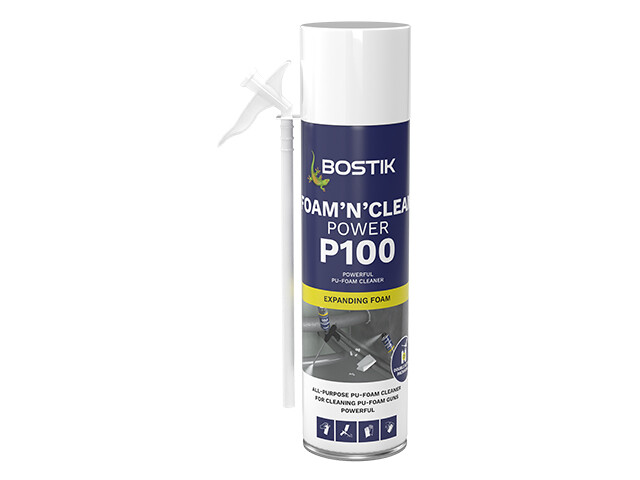
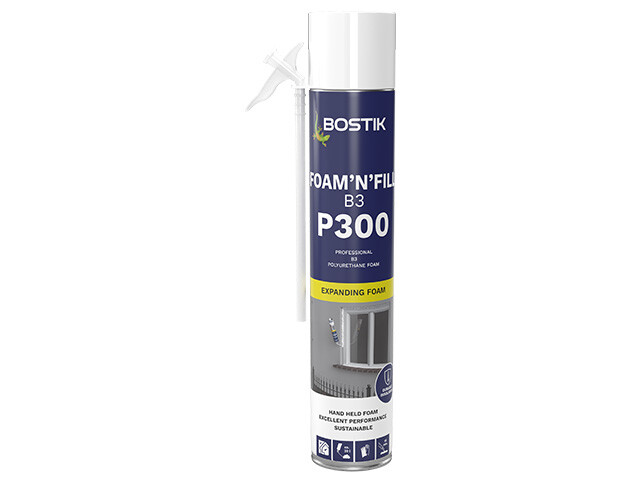
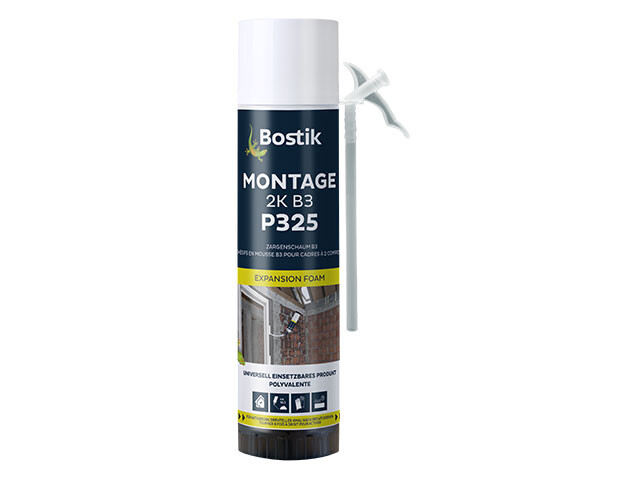
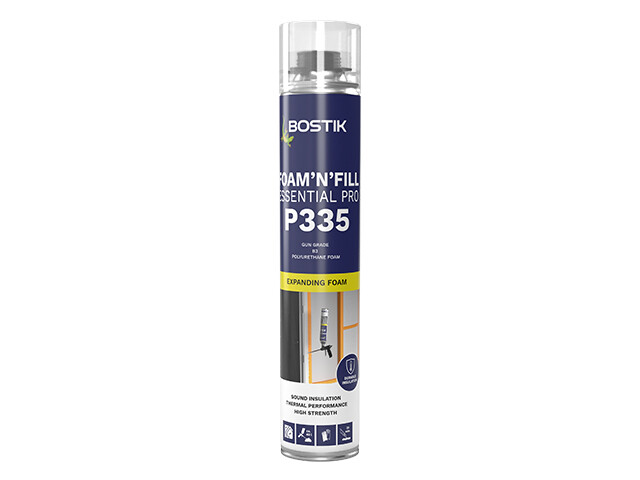
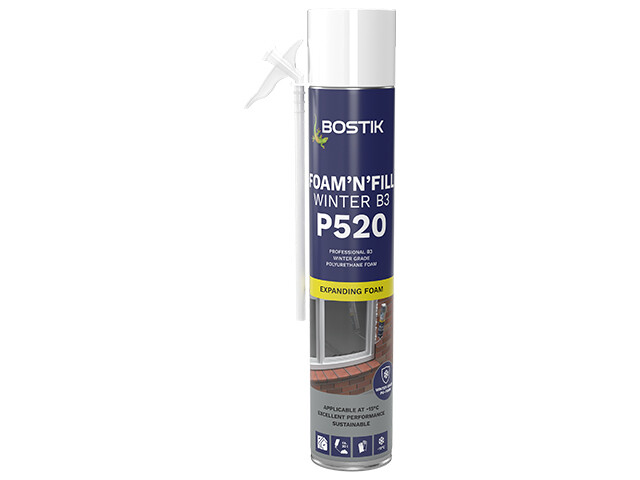
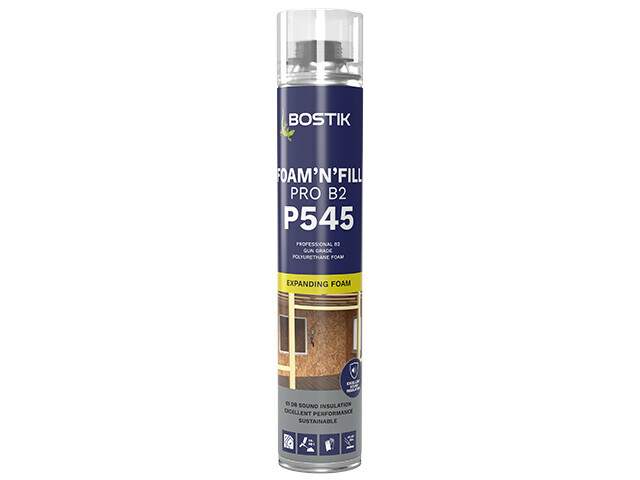
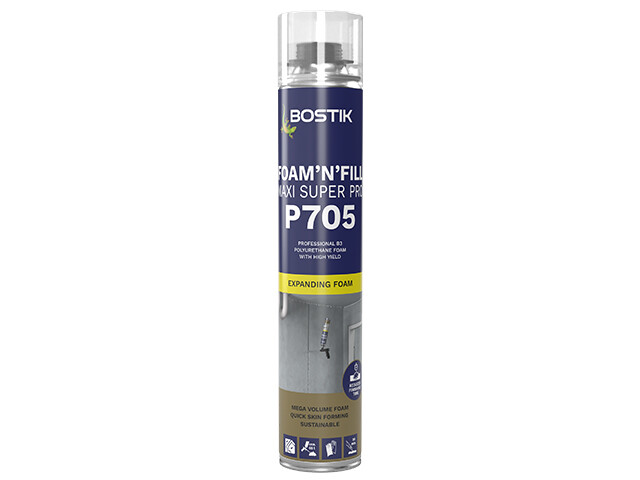
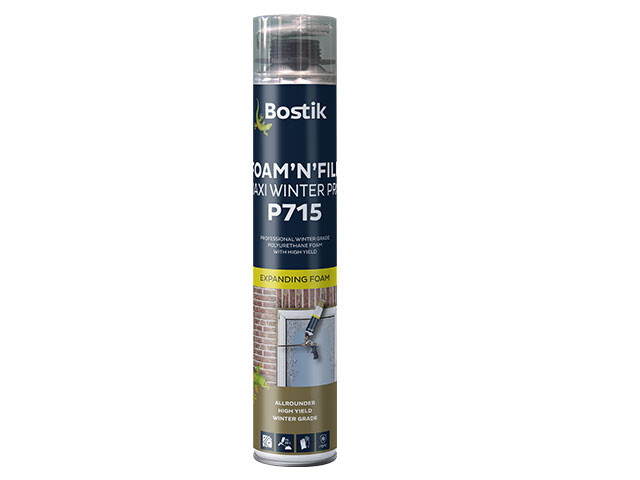
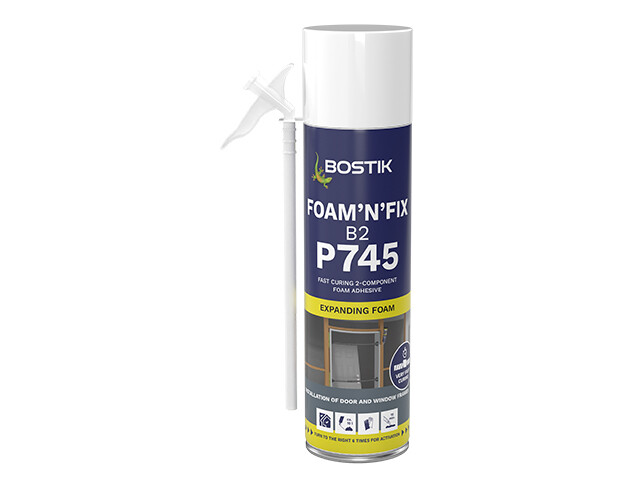
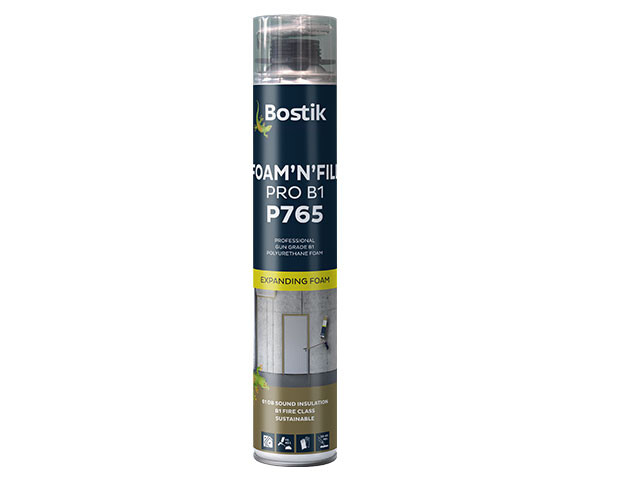
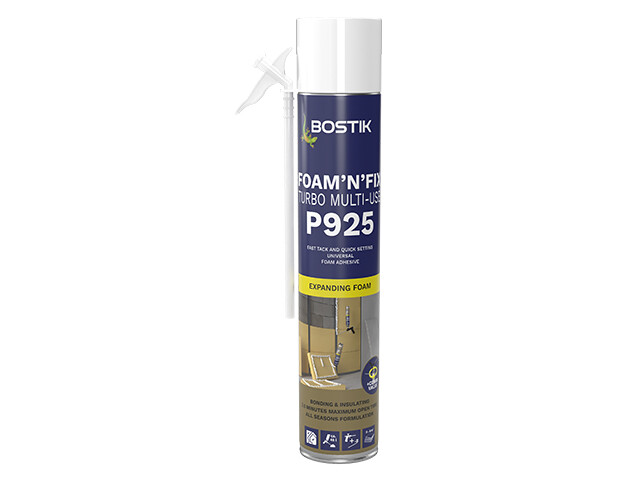
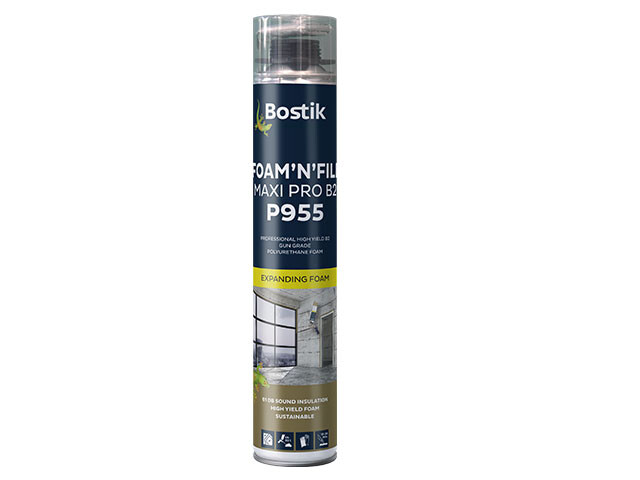
Bostik has a professional line of PU-foams for every application, including:
- PU foam for bonding purposes: developed especially for interior decor assembly and installation work such as boards
- PU foam for filling purposes: developed especially for filling gaps around window and door frames, in constructions, partitions, ceiling and floor joints, and for pipe and tube conduits through walls and floors.



Related articles
Discover articles that explain, educate, and inspire for better constructions