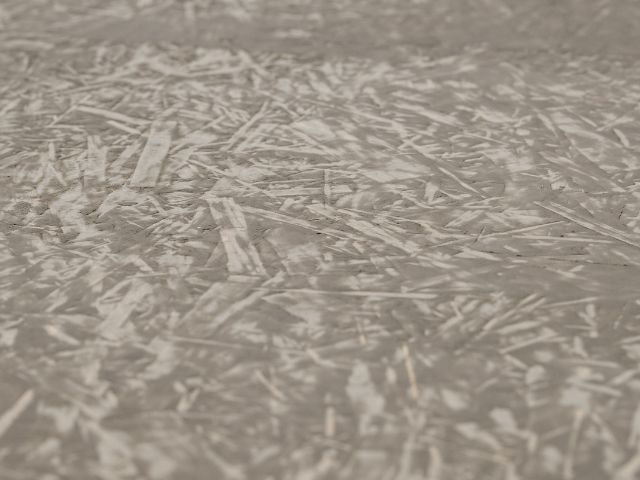
Subfloor reinforcement plays a key role in flooring installation. A weak subfloor can affect the performance of the flooring system. A stable base supports the performance of the flooring system. Reinforcement within a complete system helps stabilise the substrate and improve load distribution. This method prepares the surface for flooring, waterproofing or tiling applications on walls and floors, and supports use across a wide range of substrates.
Why subfloor reinforcement is critical for flooring performance
Subfloor reinforcement supports the performance of the entire flooring system. The substrate carries loads and ensures proper adhesion of each layer. Any weakness in this base can lead to cracks or loss of bond over time.
Reinforcement solutions such as RENO U550 REINFORCE are used to stabilise the substrate and distribute pressure within the system. Used in combination with a repair mortar or epoxy, this type of fiberglass grid helps strengthen the base and secure your installation. Bostik also offers compatible mortars and epoxy solutions that can be used as part of a complete subfloor preparation system.
Proper subfloor preparation combined with reinforcement helps control this risk and supports compliance with building requirements.
A stable base allows the flooring system to perform as expected. It also supports consistent results across different substrates.
Identifying a weak subfloor before installation
Signs of instability and moisture issues
A weak subfloor often shows visible signs. Uneven areas can indicate poor load distribution. Cracks in concrete or movement in wooden substrates can affect the stability of the upcoming flooring system.
Moisture remains a key factor to assess before installation. High humidity levels or trapped moisture can reduce adhesion and affect the durability of the flooring system. Checking these conditions early helps avoid failure after installation.
Key checks before starting installation
The subfloor must be clean and free from contaminants that could affect adhesion. Dust, grease or old residues should be removed to ensure proper bonding conditions.
The surface should be prepared so the reinforcement system can bond correctly. Any weak or loose layers must be removed. Mechanical preparation such as grinding or brushing may be required depending on the substrate.
Temperature must be maintained between +15°C and +30°C during application. Proper preparation at this stage ensures that reinforcement systems and subsequent layers can perform as expected.
Subfloor reinforcement solutions for different substrates
Reinforcing concrete screeds and tiled surfaces
Concrete and screed substrates can develop cracks or weak zones over time. These defects can affect the adhesion of flooring systems and reduce surface stability. Reinforcement helps stabilise these substrates and supports better load distribution across the surface.
Tiled or mineral surfaces such as terrazzo or natural stone also require careful preparation, as variations in surface condition can create stress points. Integrating a reinforcement grid within a repair mortar or adhesive layer helps prepare the surface for the next application. This solution can be used on floors and walls, particularly for tiling and waterproofing applications, in both new construction and renovation projects.
Reinforcing wood and mixed substrates
Wooden subfloors can react to humidity and mechanical stress. This can lead to movement that affects the stability of the flooring system. Reinforcement helps limit these effects by improving cohesion across the surface.
Mixed substrates, including metal or previously treated surfaces, present additional challenges in terms of adhesion and compatibility. A reinforcement layer combined with suitable mortars or resins helps stabilise these surfaces and prepares them for subsequent layers.
Reinforcement grids designed for multi substrate use can be applied across a wide range of surfaces.
A versatile system approach to subfloor reinforcement
Subfloor reinforcement relies on combining compatible materials within a single system. A reinforcement grid works with repair mortars or epoxy resins to stabilise the substrate and improve load distribution. This combination helps create a uniform base that supports the performance of the final flooring layer.
RENO U550 REINFORCE is a fiberglass grid designed for this type of application. It integrates into fresh mortar or resin layers and becomes part of the system. Once embedded, it helps distribute stress across the surface and improves tensile strength.
Installation best practices for long-lasting results
Applying reinforcement within the system
Reinforcement grids are installed within fresh mortar or epoxy resin layers. The grid must be fully embedded to ensure proper stress distribution. A smoothing tool helps press the mesh into the layer and secure full contact with the substrate.
For larger areas, overlaps between mesh sections must be respected to maintain continuity. Proper positioning and full coverage ensure consistent reinforcement across the surface.
Ensuring durability over time
The layer must be allowed to dry before continuing with the subsequent flooring system. Each layer needs sufficient time to stabilise and develop its performance.
In projects with underfloor heating, systems must be switched off before and during installation. They should be gradually reactivated after application to avoid stress on the materials.
A well prepared and reinforced subfloor supports long term performance. It helps reduce the risk of defects and ensures reliable results across different applications.
For a broader view of compatible systems and repair solutions, you can refer to Bostik Academy.
Related articles
Discover articles that explain, educate, and inspire for better constructions