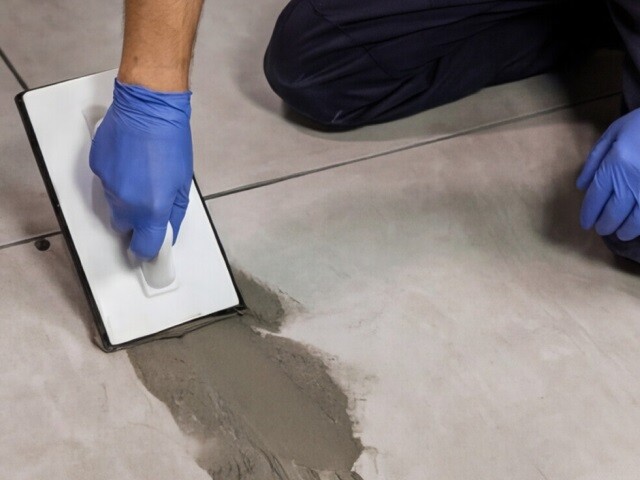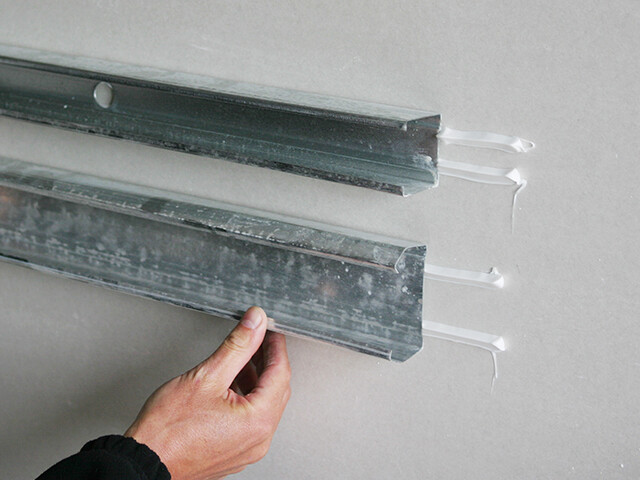
A Silicone sealant is vital for creating a waterproof, flexible barrier in damp environments like bathrooms. Choosing the right bathroom sealant—especially a professional bathroom sealant—helps prevent leaks and protects fittings from structural damage. Proper application around baths, showers, and sinks ensures a durable seal and prevents moisture issues.
The Truth About Mold-Resistance
Standard silicone sealant does not prevent mould. Only mould-resistant bathroom sealant containing specialised additives can slow or inhibit mould growth; the silicone itself does not provide this protection. This is important when deciding which bathroom sealant is best for long-term hygiene.
Neutral vs. Acidic (Acetoxy) Silicone
For most substrates—especially sensitive materials like plastics and metals (aluminium)—only neutral-cure silicone bathroom sealant provides reliable adhesion and avoids surface damage. Acetoxy (acid-cure) silicones only bond well to glass and ceramic and may damage plastics or metals. When unsure which sealant for bathroom installations to use, neutral-cure formulas are the safest choice.
Key Properties of Silicone Sealants for Bathrooms
- Long-lasting waterproof seal
- Remains flexible and crack-resistant through temperature changes
- Resistant to cleaning agents and UV exposure
- Easy to apply and maintain
Types of Bathroom Silicone
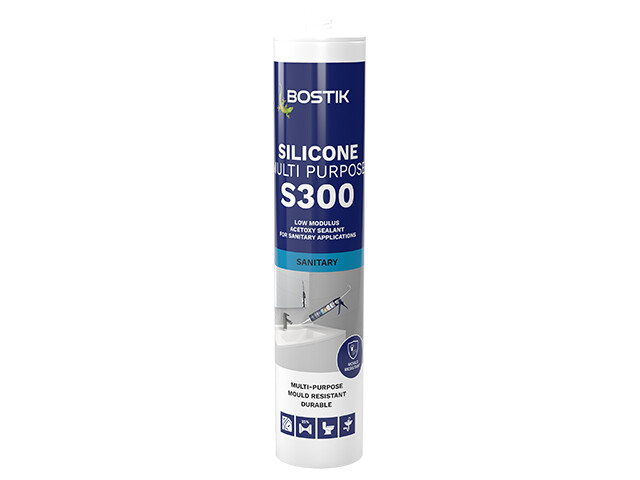
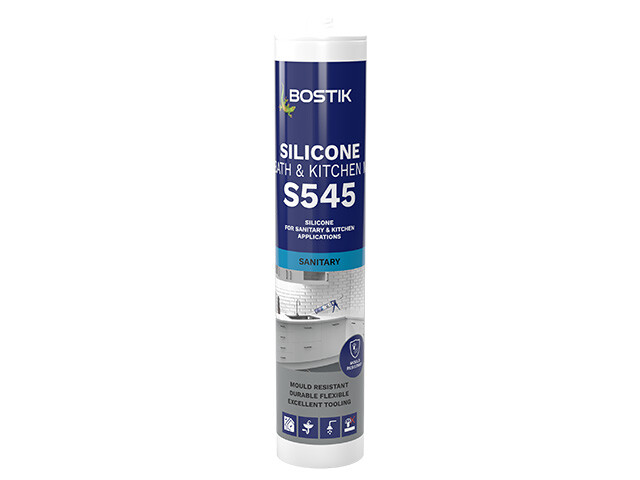
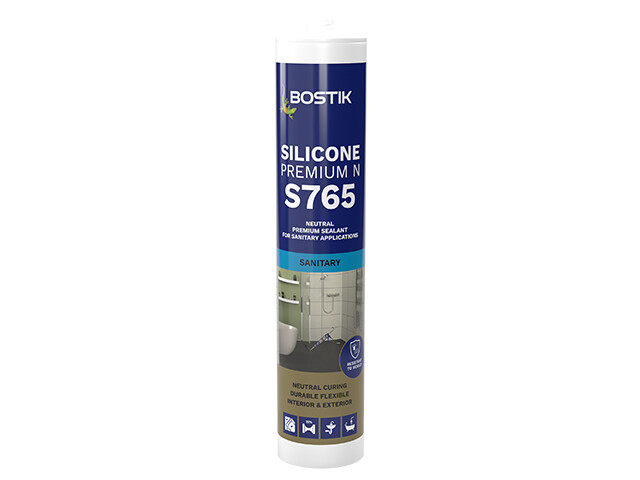
- Neutral cure Sanitary silicone: Suitable for general sealing around bathroom fixtures and often used as a professional bathroom sealant. Preferrable with Mould-resistant: Contains special additives to inhibit mould or mildew, ideal for sanitary fittings, wet areas, and when choosing the best sealant for bathroom hygiene.
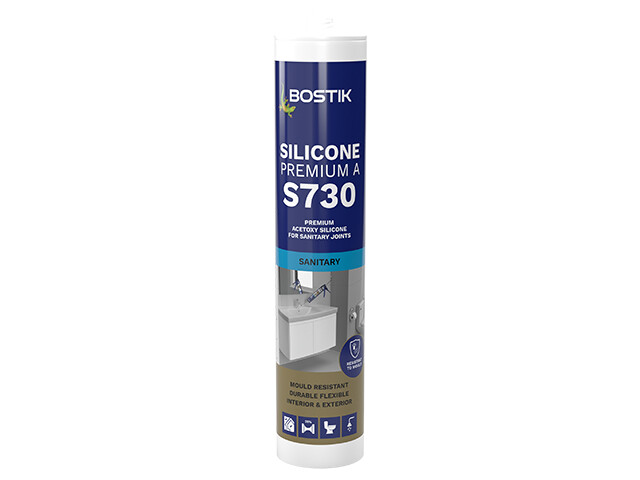
- Acetoxy-cure Sanitary silicone: Works mainly on ceramics, glass and enamel. Also, with Mould-resistance
Step-by-Step: Applying Silicone Sealant
- Clean and dry the surface thoroughly.
- Remove any old sealant completely.
- Apply a steady, even bead using a sealant gun.
- Smooth immediately after application with a damp finger or smoothing tool.
- Allow to cure according to manufacturer instructions. Ensure good ventilation.
Correct installation helps maximise the performance of any silicone bathroom sealant.
Maintenance & Lifespan
Inspect regularly for wear or mould. Clean with gentle agents and replace the sealant about every five years or as needed. Avoid using chlorinated cleaning agents which will eliminate the anti-mold properties. Using the best sanitary sealant with mould-resistance can extend its lifespan.
Frequently Asked Questions
Neutral-cure silicone bonds to most materials, including plastics, stone, metal, and tiles, making it a reliable bathroom sealant option.
Only mould-resistant variants, containing anti-mould agents, slow or inhibit mould, standard silicone does not.
Silicone sealants cannot be painted over because their surface tension prevents paint from adhering. If paintability is required, a compatible hybrid bathroom sealant may be used instead.
Conclusion
Always opt for a neutral, mould-resistant silicone bathroom sealant to maximise hygiene and adhesion. Choosing the best sealant for bathroom areas ensures long-term protection. A high-quality professional bathroom sealant extends your bathroom’s life and helps prevent future issues.
Related articles
Discover articles that explain, educate, and inspire for better constructions