Tiling over tiles is a widely used method in professional renovation projects. It reduces demolition work, minimises client disruption, and speeds up completion time. Especially when retiling a bathroom over old tiles, this approach proves highly practical.
By placing tiles over tiles, there’s no need to remove existing floors or walls. With the right tile-on-tile primer and tile-on-tile adhesive, you can achieve long-lasting adhesion and a high-quality finish.
It’s the ideal method for fitting new bathroom tiles without the mess and expense of full removal.
Can You Tile Over Tiles?
Many professionals ask: can you tile over tiles? The answer is yes, if the tiles are stable, clean, and dry and the existing tiles are fully bonded to the substrate. This method, also known as gluing tiles onto tiles or sticking tiles over tiles, requires a detailed inspection of the existing surface.
If the current surface is solid, bonding tile over tile is a time-saving and durable option. Perfect for installing a tile-over-tile bathroom floor or complete tile-over-tile bathroom flooring if the existing tiles are fully bonded to the substrate. Tiling over tiles is not only a good solution for bathrooms it can also be used for living rooms, kitchens, most wet rooms and other indoor environments with existing tiles.
The Right Materials: Primer & Adhesive
Using the correct materials is crucial for success:
- A tile-on-tile primer improves adhesion to glazed or non-porous surfaces.
- A specialised tile adhesive for existing tiles (also referred to as tile-on-tile adhesive) ensures long-term bonding and flexibility.
Only use products rated for use on smooth surfaces like existing ceramic tiles. Using a standard adhesive risks delamination and callbacks.
Step-by-Step: How to Tile Over Tiles
- Clean the surface thoroughly (remove grease, soap residue, and dust).
- Inspect for damage or loose tiles—repair or replace where necessary.
- Apply tile-on-tile primer GRIP A936 XPRESS according to product instructions.
- Install the new tiles with a suitable adhesive. The choice of tile adhesive should be based on the type and size of the tiles being installed. Great recommendations from Bostik could be ARDAFLEX ULTIMATE or ARDAFLEX ULTRA S2.
- Lay the tiles with proper spacing and level alignment.
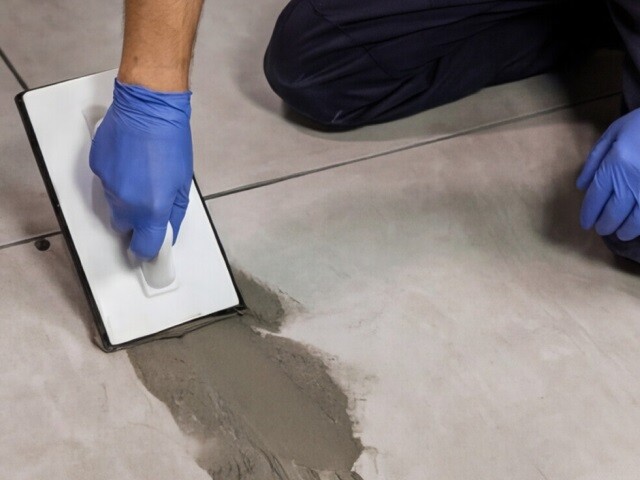
- Use the ARDACOLOR PREMIUM once the adhesive has fully cured for a clean, finished result.
This process applies to both wall and floor surfaces when tiling over a bathroom.
Key Considerations
While tiling bathroom tiles over tiles is efficient, keep the following in mind:
- The added thickness may require adjustments to doors, thresholds, or furniture. It is very important to check which type of substrate has been installed to ensure that the maximum weight load can be handle by the substrate.
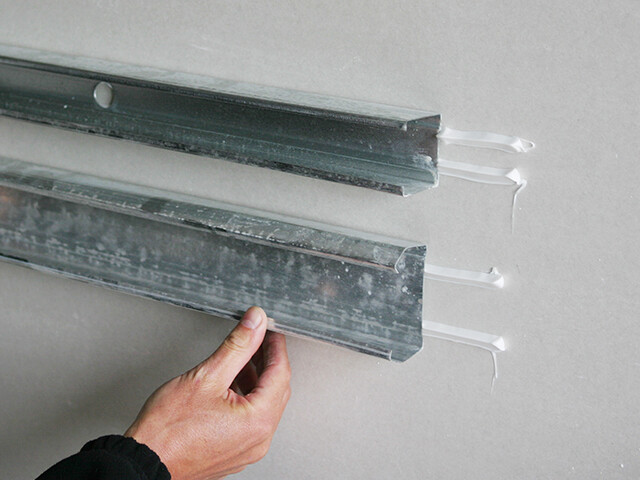
- Example: a drywall board can only handle tile over tiles when using small format tiles (max weight load: ~73 kg/m²). Cement board can handle larger format tiles due to their stronger composition (max weight load ~244-400 kg/m²).
- The old tiles must be fully bonded and undamaged.
- Without a proper tile-on-tile primer, adhesion may fail.
Careful prep ensures fewer issues during and after installation, protecting your workmanship.
Sustainability & Practical Advantages
Tiles over tiles means less waste, fewer trips to the tip, and reduced transport and material usage. For eco-conscious clients and sustainable construction projects, that’s a major win.
Especially when retiling bathrooms over old tiles, this technique saves time and resources, while still delivering a fresh, modern finish.
Conclusion: A Professional Method for Bathroom Renovations
Tiling over existing tiles is a proven solution for tradespeople. With the correct tile-on-tile bonding products and prep, you deliver fast, clean, and durable results—without compromising on quality.
For fast, tidy, and sustainable installations, tiling over tiles is a solid professional choice.
Related articles
Discover articles that explain, educate, and inspire for better constructions